
"Giving up is not an option." — Luka Modric (April 13, 2022)
Modrić's actions throughout his career proved exactly what his this tweet preached…
Few great fairytale begins in the shadow of falling grenades. As a child, Luka Modrić lived as a refugee in a hotel in Zadar, playing football in a parking lot surrounded by the devastating reality of the Croatian War of Independence. He was a boy with wooden shin pads, a fragile frame, and a dream that seemed statistically impossible. Yet, from that war-torn concrete rose a midfield sorcerer who would go on to bend the footballing world to his will, proving that true giants are measured by their unbreakable spirit.
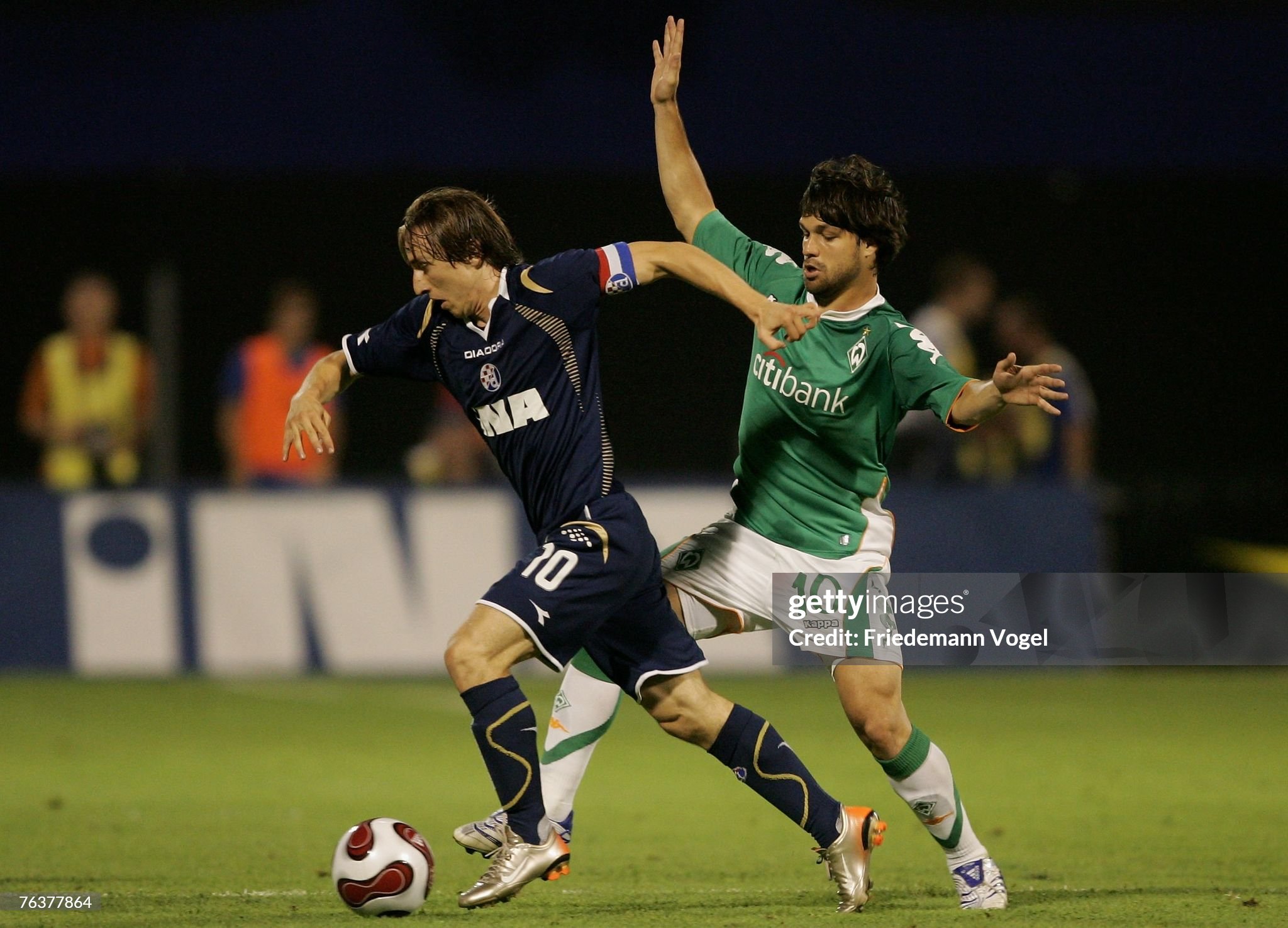
At eight years old, Modrić was rejected by Hajduk Split, the biggest club in his native Dalmatia region and his childhood dream team, because coaches considered him too short and frail for professional football. But that early setback didn't stop him. After developing his skills at local club NK Zadar, he was scouted and signed by Croatian giant Dinamo Zagreb at age 16. However, Dinamo didn't immediately put him in their main squad; they sent him on loan to gain experience in some of the region's toughest environments.
As an 18-year-old, Modrić joined HŠK Zrinjski Mostar in the highly physical Bosnian Premier League. Despite his small frame, Modrić thrived in this gritty proving ground, taking heavy tackles and responding with incredible playmaking. His performances were so impressive that he won the Bosnian Premier League Player of the Year award as a teenager. Following another successful loan spell at Inter Zaprešić, where he helped the team secure the winter championship, he returned to Dinamo Zagreb completely transformed. He signed a ten-year contract and engineered a domestic dynasty, capturing three consecutive league titles and proving himself as the undisputed best player in Croatian football.
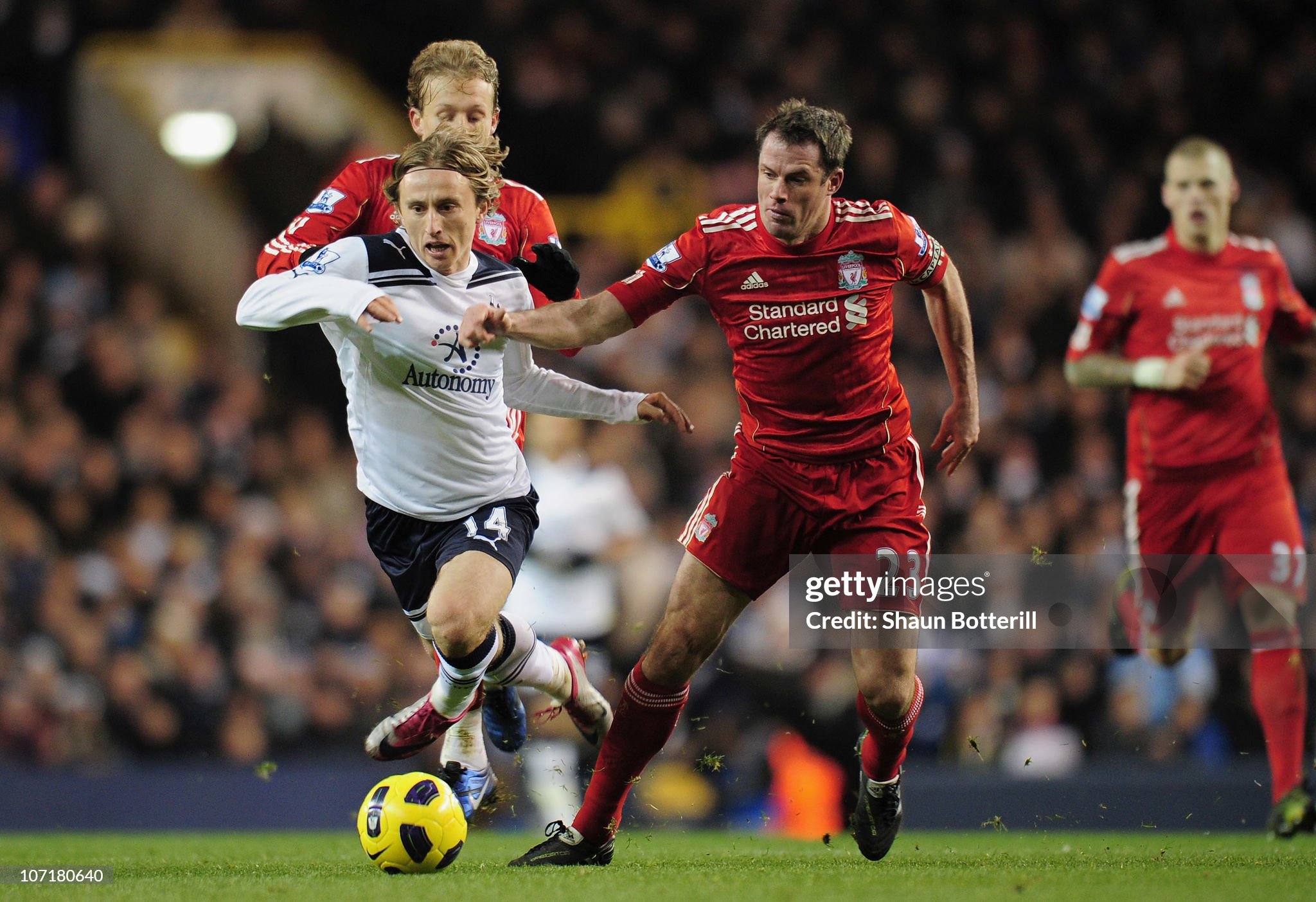
In April 2008, Tottenham Hotspur pulled off a major transfer coup, agreeing to pay Dinamo Zagreb £15.8 million (€21 million) to bring Modrić to White Hart Lane.
When he arrived in England, the media immediately questioned if the diminutive 5-foot-8 midfielder would survive the fast, aggressive, and highly physical nature of the Premier League. Instead of being bullied, Modrić took over. Initially signed under Juande Ramos, it was under manager Harry Redknapp that Modrić truly became the beating heart of the team. He didn't rely on raw strength; he controlled the tempo with his supreme intelligence, signature outside-of-the-boot passes, and incredible vision. He transformed Spurs into a thrilling attacking force, famously leading the club to qualify for the UEFA Champions League in 2010, proving once and for all that technical brilliance could completely dismantle English brawn.
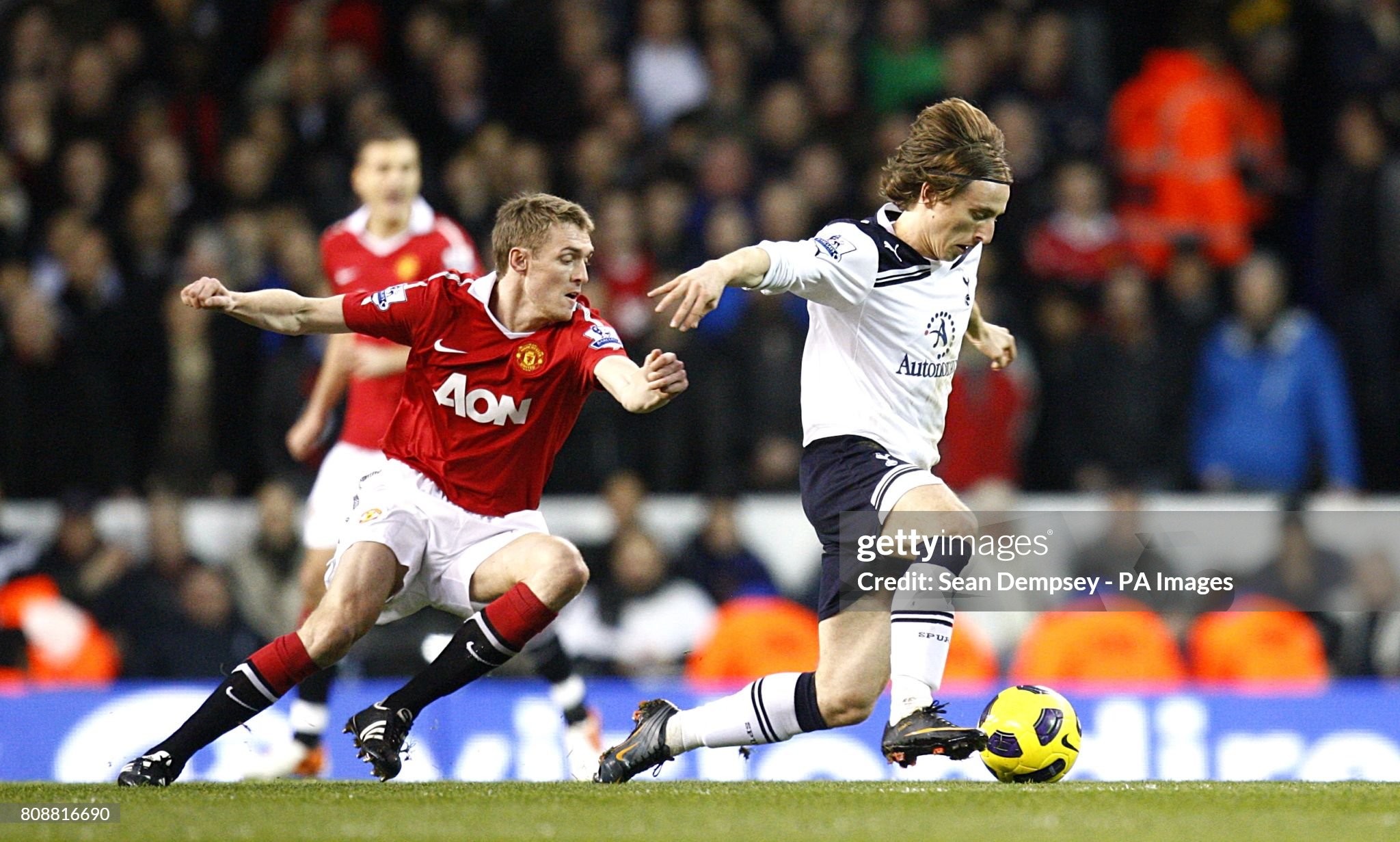
His mesmerizing performances eventually caught the eye of Sir Alex Ferguson. After watching Barcelona’s midfield dominate the 2011 Champions League Final, Ferguson identified Modrić as the exact profile of player he desperately needed to replace Paul Scholes and run his Manchester United midfield. Modrić himself was highly open to the move, even telling Rio Ferdinand he wanted to be the first Croatian to play for United, and later admitted the public appreciation from a legend like Ferguson was a massive point of pride. And it is not about SAF only, Arsenal’s great Arsène Wenger has long expressed immense respect for Luka Modrić, famously calling him an "outstanding" player and stating that "everyone who loves football has enormous respect for him."
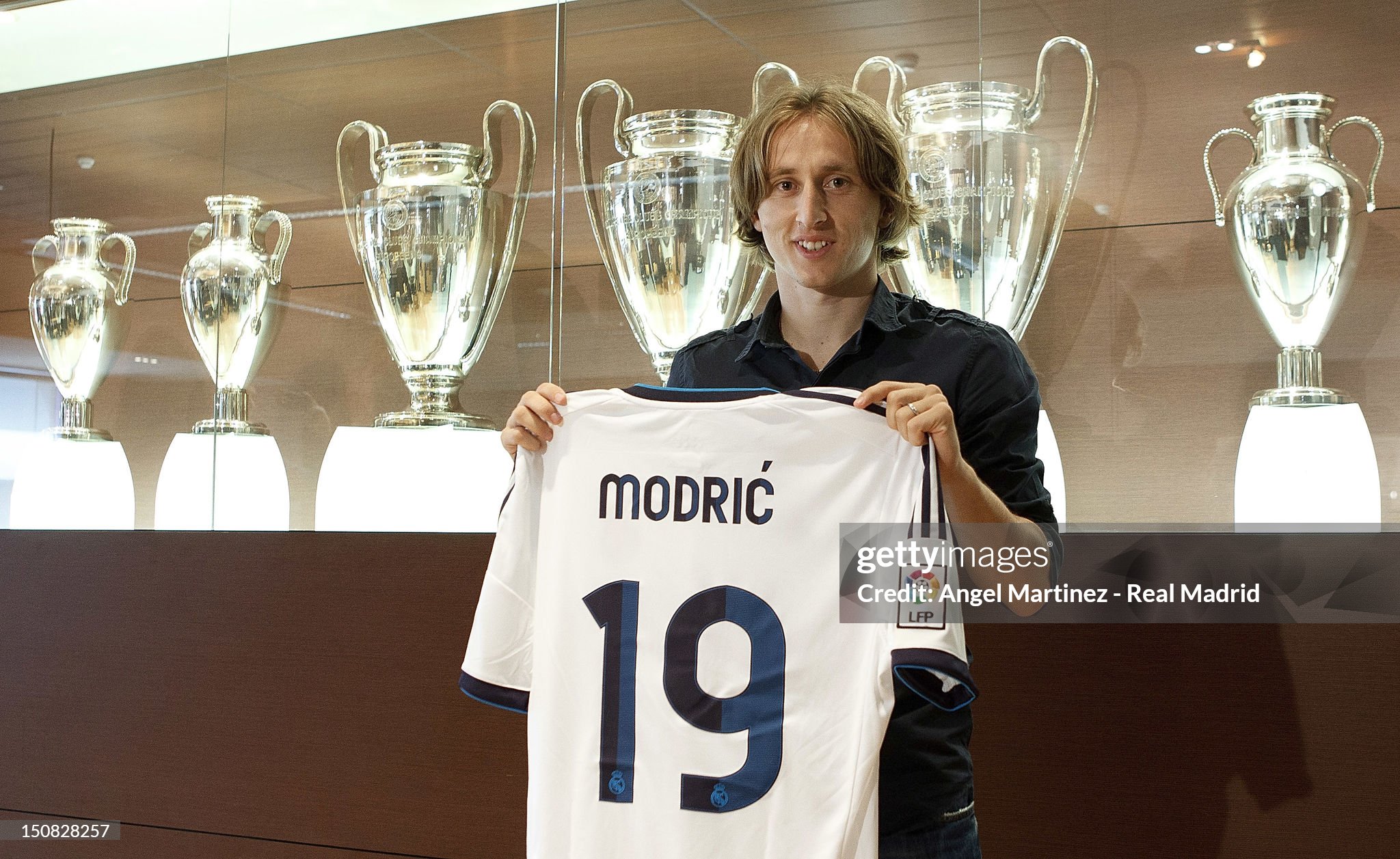
The pinnacle of club football beckoned in August 2012 when Real Madrid brought the maestro to the Santiago Bernabéu. Yet, the fairytale nearly derailed at the starting line. Struggling to adapt to the immense pressure cooker of the Spanish capital during a chaotic campaign, his debut season was fiercely criticized. By December 2012, a devastating poll by the Spanish newspaper Marca saw fans vote him as La Liga's absolute "worst signing of the year".
Most players would have folded under the crushing weight of the Bernabéu's expectations. But his manager, José Mourinho, refused to lose faith. Mourinho fiercely defended the Croatian, urging fans to be patient and insisting that Modrić possessed the exact technical vision and elite decision-making Real Madrid desperately needed. That unwavering belief became the catalyst for a spectacular turnaround.
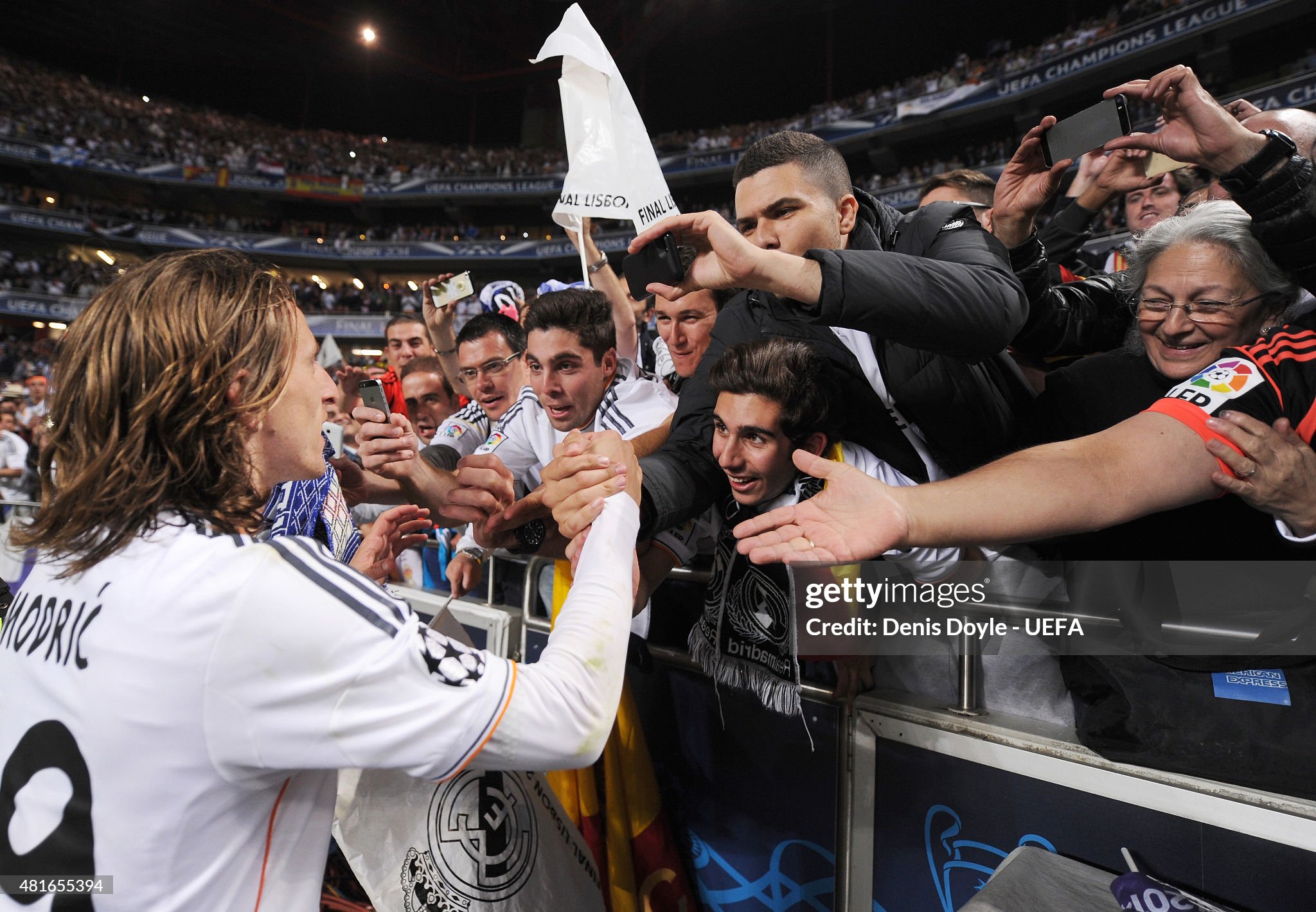
Once he found his rhythm, Modrić started producing moments that would permanently define the club's modern history. In the 2014 Champions League Final, it was Modrić who stood over the corner flag and delivered the immaculate 92:48 cross for Sergio Ramos's header, rescuing Madrid and securing the mythical La Décima. Three years later, in the 2017 final against a historically elite Juventus defense, Modrić made a breathless run down the right byline to assist Cristiano Ronaldo's dagger of a third goal. His undeniable brilliance ultimately peaked in 2018 when he achieved the seemingly impossible: shattering the decade-long Messi-Ronaldo duopoly to win the Ballon d'Or. It was the ultimate testament to his greatness, a quiet midfielder outshining the world's most lethal superstars.
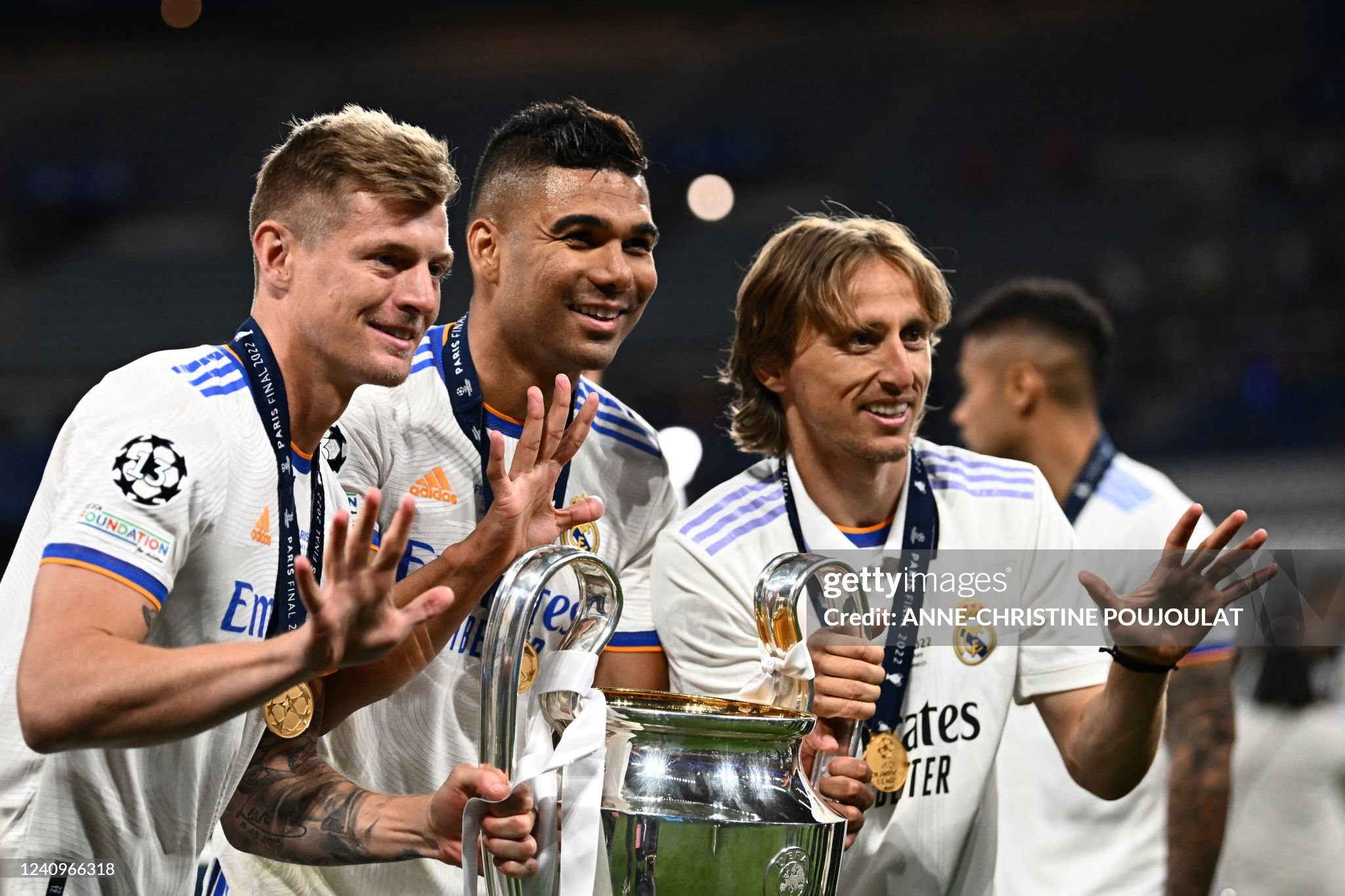
But Modrić did not conquer Europe alone. During this golden era, he formed the legendary "KCM" trio alongside Casemiro and Toni Kroos. Under Zinedine Zidane, this midfield holy trinity became the undisputed engine room of world football, securing an unprecedented three consecutive Champions League titles between 2016 and 2018. Casemiro provided the steel, Kroos provided the absolute control, and Modrić provided the pure, chaotic magic.
The ensuing years heavily tested his resolve. Between 2019 and 2021, Real Madrid faced a rough transition period, battling the post-Ronaldo rebuild, pandemic disruptions, and a string of frustrating Champions League exits. Many pundits believed some big names of Madrid including Modrić, being at the top was finally over. Instead, he kept his absolute belief and aged like fine wine.
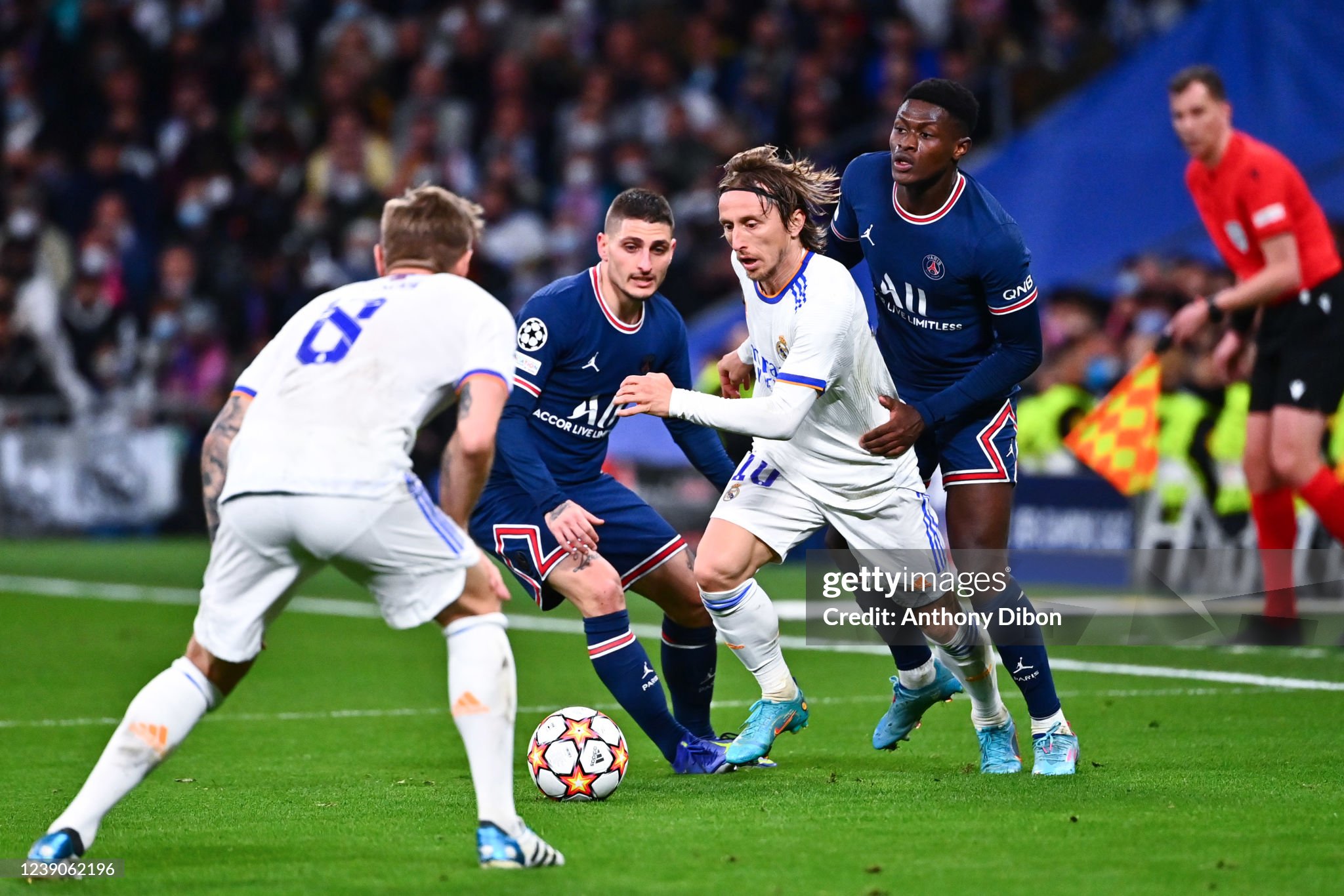
Fast forward to 2022 Champions League Round of 16, Madrid was drawn against a Paris Saint-Germain squad boasting some of the most expensive and celebrated names in world football. Down 2-0 on aggregate and staring at elimination, a 36-year-old Modrić put on an absolute clinic. He completely bossed the pitch, single-handedly dismantling PSG's star-studded team. He famously intercepted the ball near his own penalty area and drove through the heart of the defense to set up Karim Benzema, igniting a chaotic 17-minute hat-trick that flipped the entire tie on its head.
Then in April 2022, and his unyielding spirit was put on full display. Down 3-0 at home to Chelsea in the Champions League quarter-final second leg, Madrid looked dead and buried. Then, in the 80th minute, Modrić produced a moment of physics-defying genius. With one swing of his right boot, he delivered a mesmerizing trivela cross directly into the path of Rodrygo. That single, logic-breaking assist leveled the aggregate score and forced extra time, where Madrid completed a legendary comeback. The very next day, Modrić took to Twitter (now X) and pinned the exact mentality that saved the tie: "Giving up is not an option."
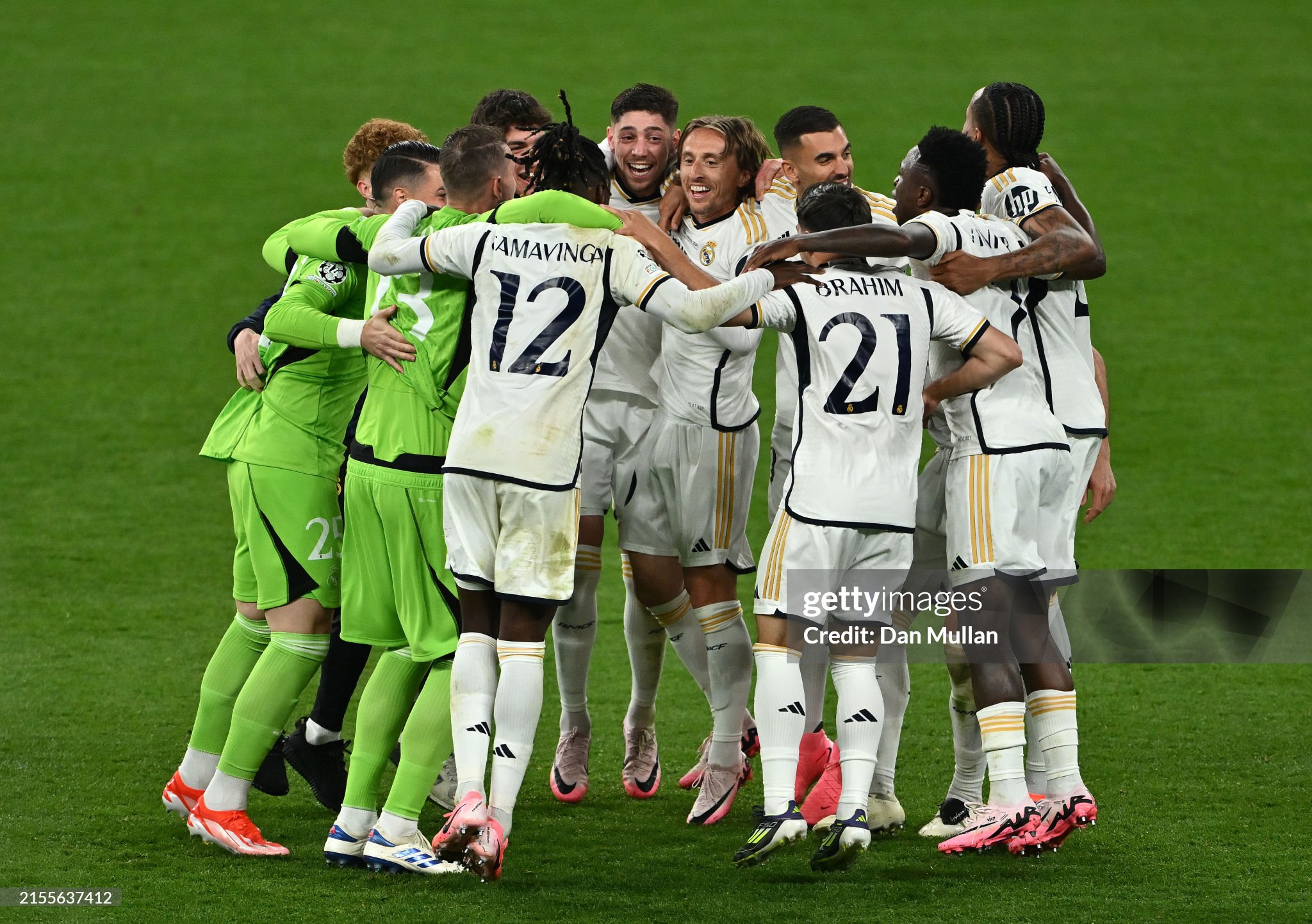
That magical 2021-22 campaign, followed by an equally stunning 2023-24
season, saw him capture his 5th and 6th Champions League titles. In his late thirties, the veteran maestro wasn't just surviving; he was dancing on and off the field with a completely new generation of superstars, mentoring the likes of Vinícius Jr., Rodrygo, and Jude Bellingham, seamlessly bridging the eras while remaining the undisputed soul of Real Madrid's revival. After finally closing his legendary chapter in Spain, the maestro took his talents to Italy by joining AC Milan. Proving once again that class is permanent, he continues to age like fine wine at the San Siro, pulling the midfield strings with the exact same effortless grace.
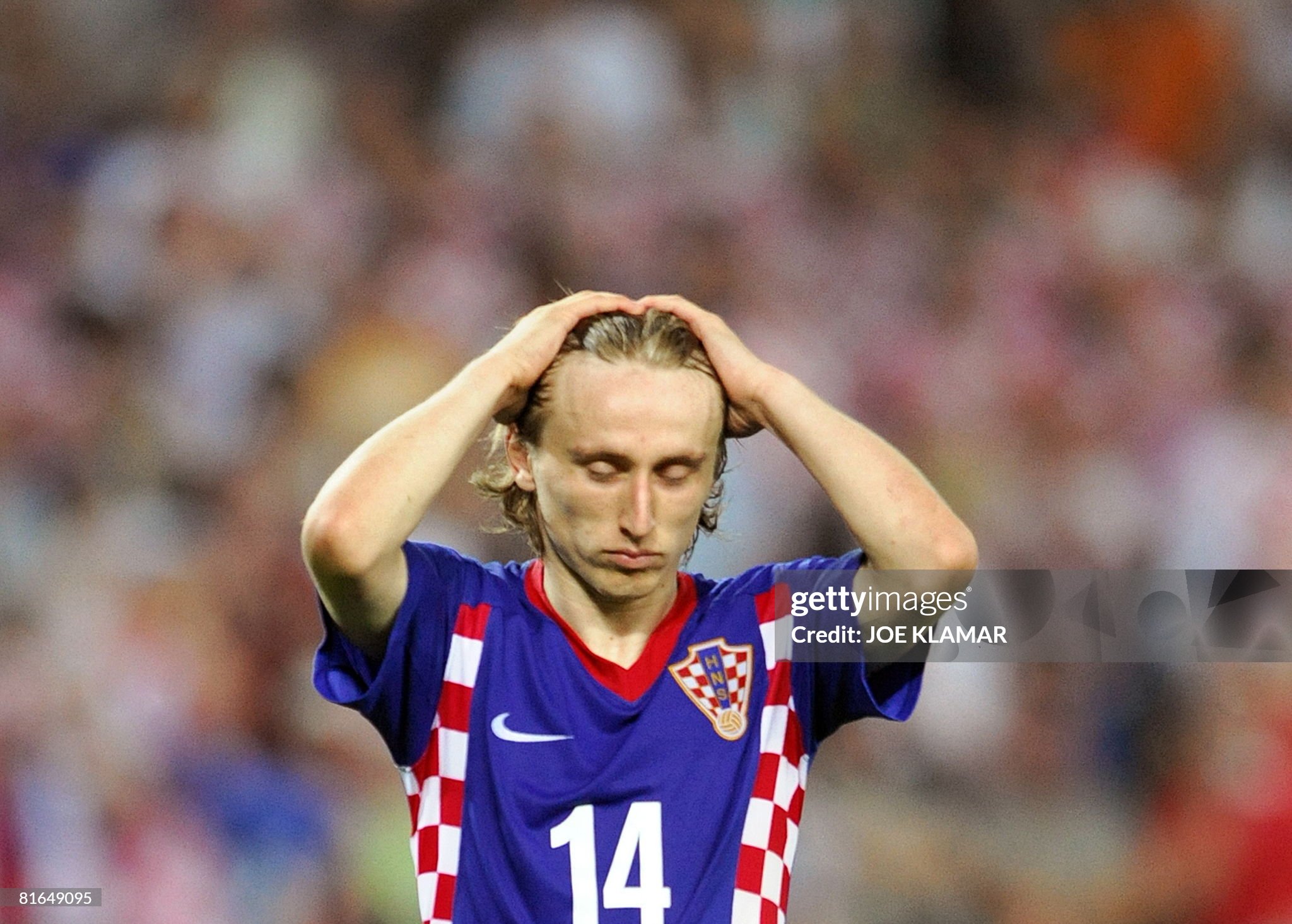
For all his shimmering club glory, Modrić’s true magnum opus was painted in the red-and-white checkers of Croatia. To understand his greatness, you have to understand his heartbreaks. His international career was forged in the fire of devastating upsets—like the Euro 2008 quarter-final, where Croatia scored in the 119th minute only to concede a crushing equalizer to Turkey in the 122nd and lose on penalties. Fast forward to Euro 2024, and heartbreak struck again when a 98th-minute Italian equalizer knocked his squad out of the tournament.
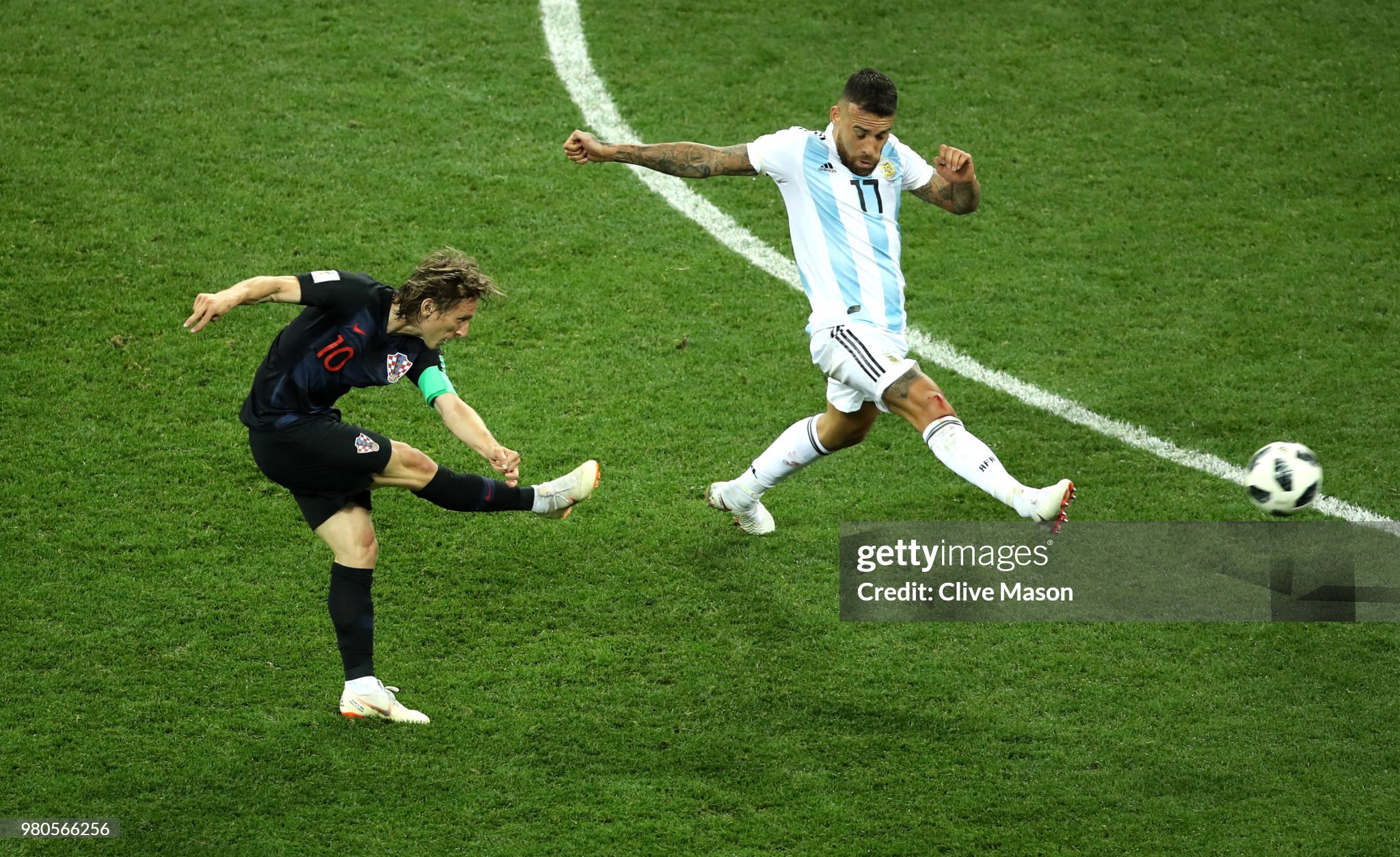
Yet, every time football broke his heart, Modrić returned stronger, refusing to let
his nation fold. In 2018, carrying the hopes of fewer than four million people on his back, he played like a man possessed. He sent an early shockwave through the tournament by orchestrating a stunning 3-0 demolition of Lionel Messi’s Argentina in the group stage, personally sealing the victory with a breathtaking, bending strike from outside the box that left the goalkeeper entirely helpless. That goal wasn't just a highlight; it was a declaration to the world that Croatia was coming for the crown.
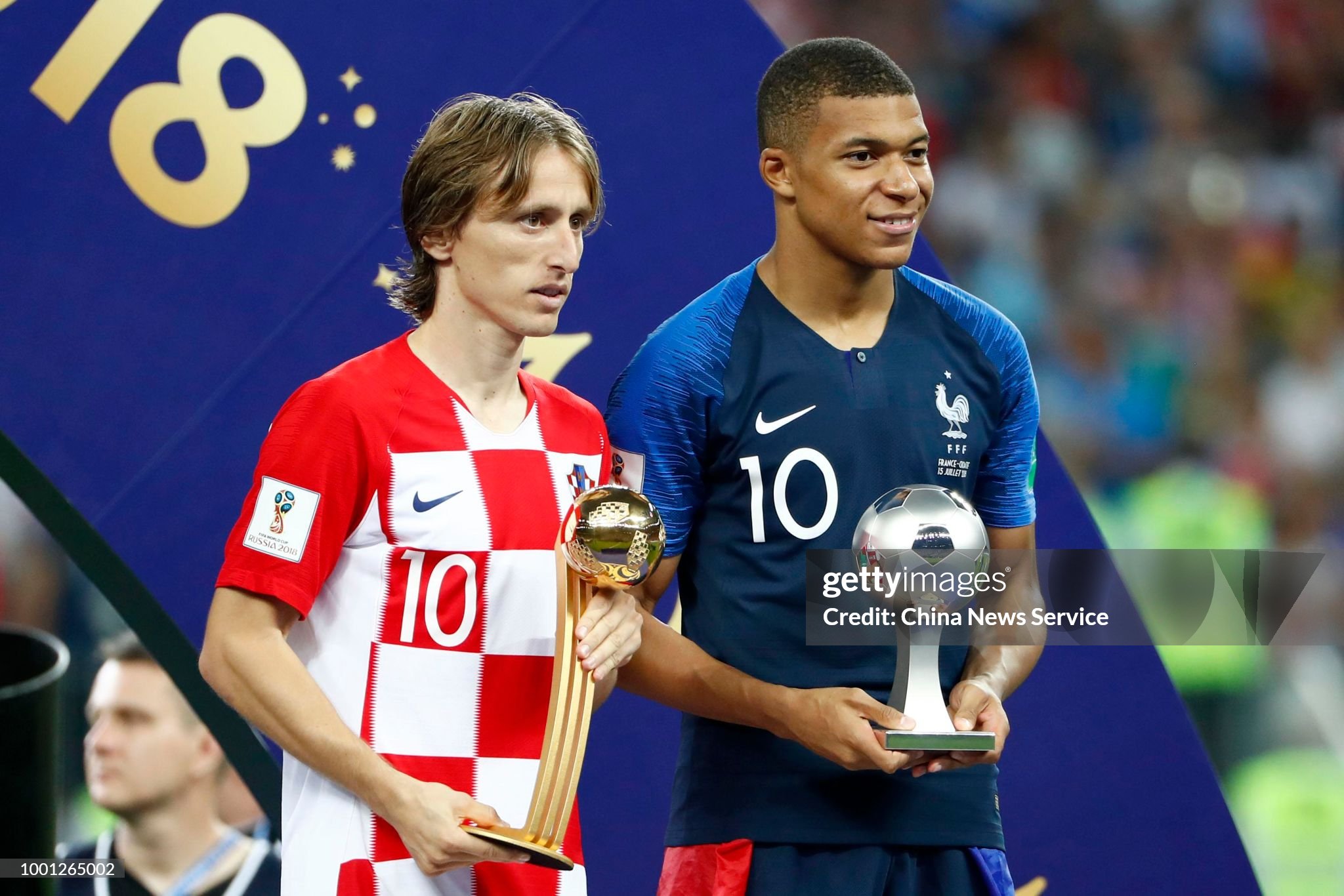
From there, he dragged his exhausted squad through three consecutive extra-time matches, surviving nerve-shredding penalty shootouts against Denmark and Russia, and breaking English hearts in the semi-final, all the way to their first-ever FIFA World Cup Final in Russia, rightfully claiming the Golden Ball as the tournament's absolute best player.
Four years later in Qatar, the world assumed his legs would finally give out. Instead, a 37-year-old Modrić completely defied human physiology. He delivered an absolute midfield masterclass against a star-studded Brazil in the quarter-finals, controlling the tempo, neutralizing their flair, and coldly slotting away his penalty in the shootout to eliminate one of the big names of World Cup history.
Basically, 2nd in 2018 and 3rd in 2022, this was the absolute peak era of Croatian football, led by none other than the man affectionately known as known as Papa Lukita.
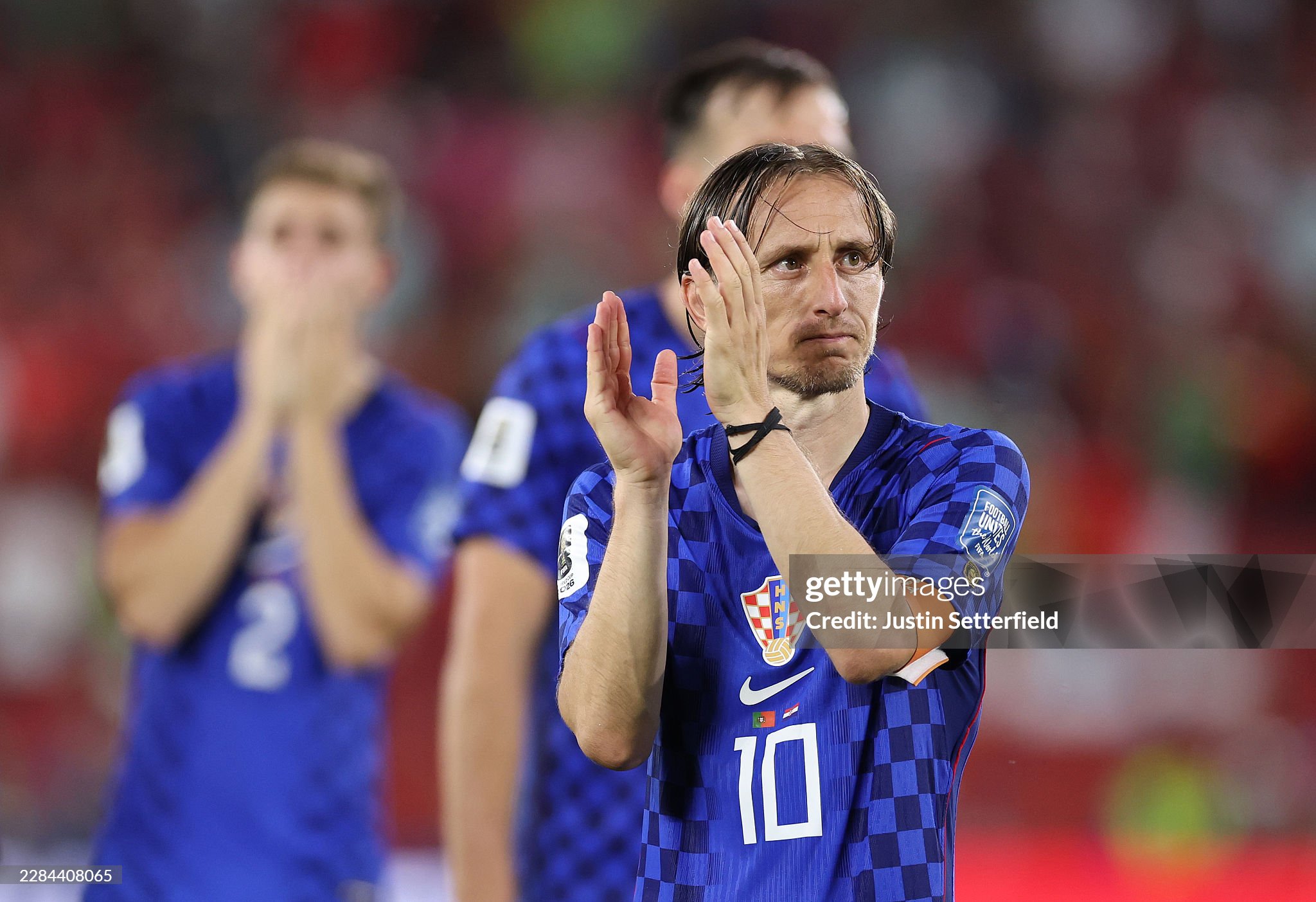
Even now, during the 2026 World Cup, his story of resilience continued. At 40 years old, he refused to fade into the background. He defied human physiology one last time, fighting relentlessly in the group stages and bowing out against Portugal in the Round of 32 exactly as he lived his entire career: leaving absolutely everything on the pitch until the final whistle.
From being rejected to Croatia's biggest legend; from being adjudged as Madrid's failed player to become the most decorated Madrid legend...Luka Modrić’s career is the ultimate footballing epic. He proved that true greatness isn't measured in muscle or immediate success, but in vision, resilience, and the unbreakable spirit to never, ever give up.