
Five months ago, nobody knew what to expect from Mourinho's return to Real Madrid. The club had gone two seasons without a trophy, the pressure was huge, and some fans doubted whether he was still the right man for the job
Today, Madrid are level on 30 points with Barcelona at the top of La Liga, they have won all four of their Champions League games, and not a single player is injured.
So what has changed? Not through big promises, but through something much simpler.
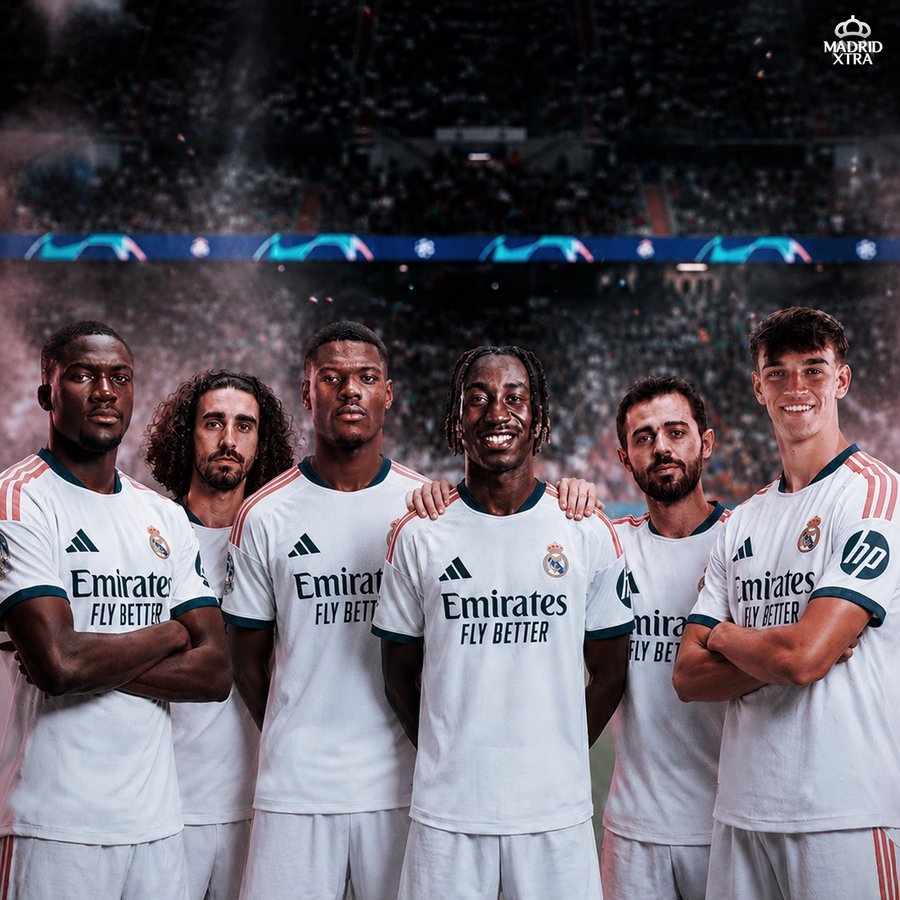
He studied the squad, understood what was missing and started fixing those problems. Experience, balance and squad depth were the answers. That is why the club signed Bernardo Silva, Denzel Dumfries, Ibrahima Konaté, Marc Cucurella, Carlos Espí and the young star Yan Diomande.
The idea behind everything is simple to say but difficult to execute. Every player must understand his role, and every player must put the team first.
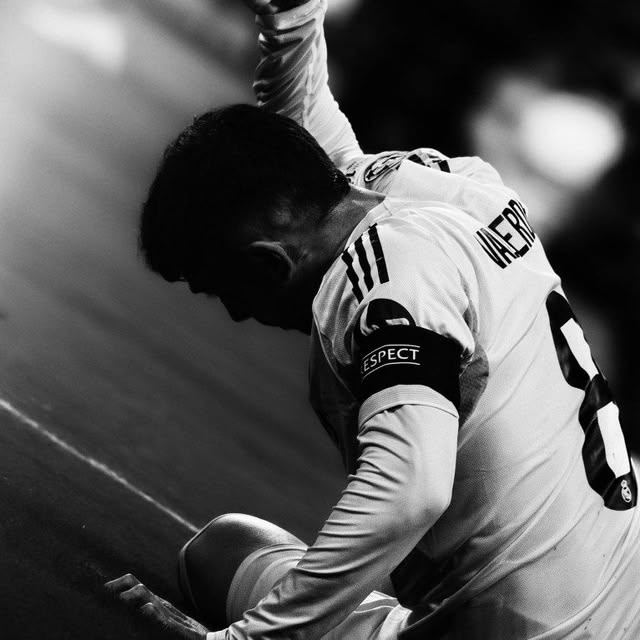
For example, take Fede Valverde. He loves playing in midfield, and he will continue to get his chances there. But when the team needed more balance, Mourinho used him on the right side of defence in big games, including the victories against Sevilla and Valencia. It is not a permanent change. It is simply another option. Valverde's energy, running ability and discipline make the right side stronger. His connection with Arda Güler has also been a real positive for the team. And that is what makes Fede special. Wherever Mourinho asks him to play, he gives everything.
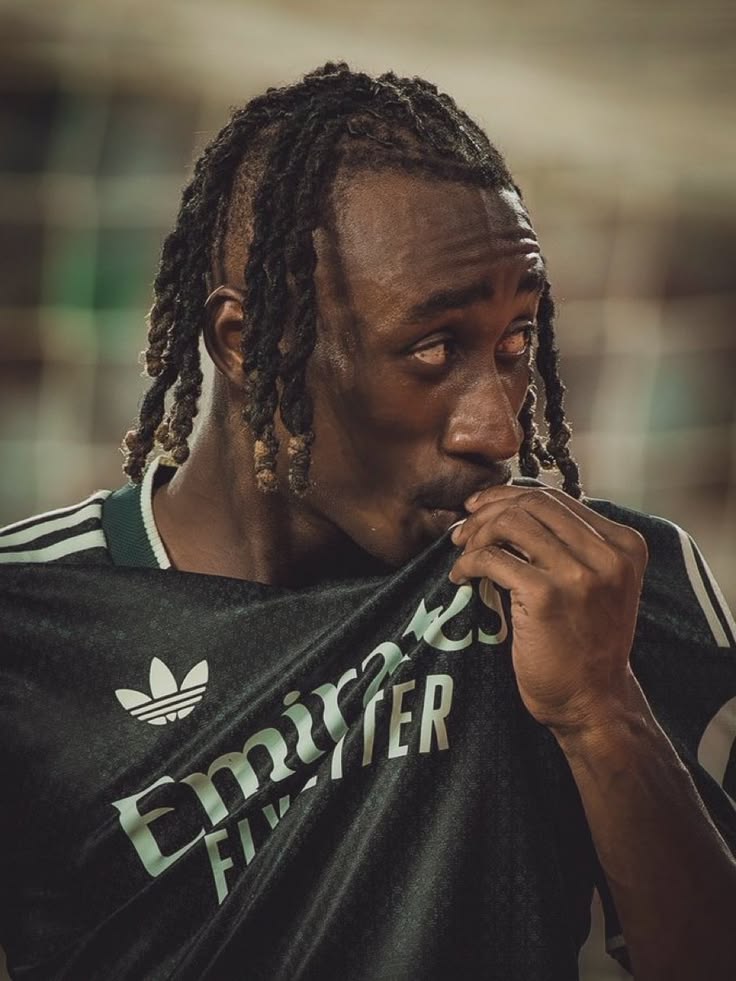
And what about the €140 million signing, Yan Diomande? Mourinho has handled him brilliantly. He did not rush him or put unnecessary pressure on his shoulders. Diomande is only 19 and arrived from RB Leipzig as the club's biggest signing. Many managers might have immediately thrown such a young star into the starting XI. Mourinho chose a different approach. Diomande played very little during pre-season and began the league campaign on the bench. Then his minutes gradually increased. He scored the winner against Villarreal, started against Rayo Vallecano, scored again in the 4–1 victory over Sevilla and was part of the starting XI in the 2-1 win against Barcelona. This is careful management. Protect the player, build his confidence and then give him bigger responsibilities.
Mourinho has described some of these decisions as simple rotation. He also knows that the media will always question his team selection. That calmness tells us something. He has a plan, and he knows what he is doing.
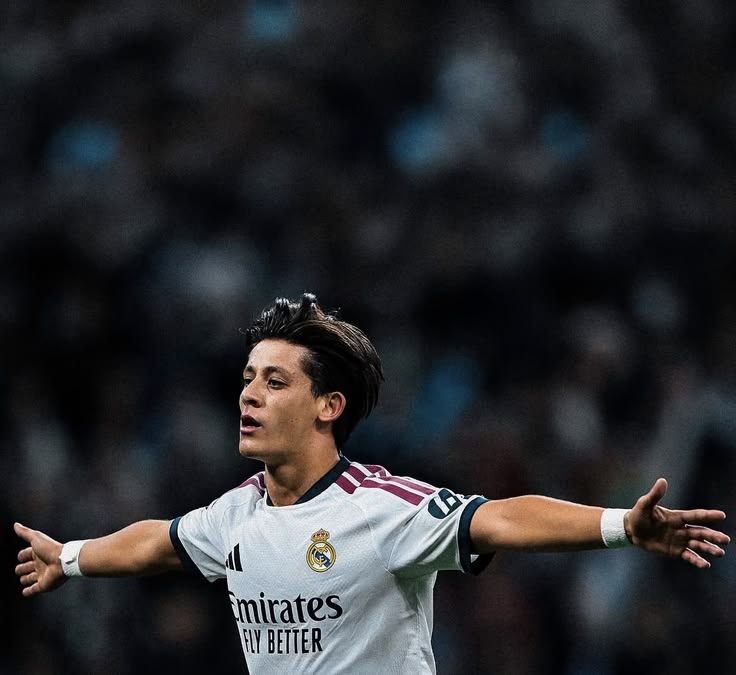
Mourinho is also giving his players more freedom than ever, and Arda Güler may be the most interesting example of this approach. He has not locked Güler into one particular position. At the beginning of the season, Güler started on the right wing. Then, against Sevilla, Mourinho moved him into a deeper role alongside Aurélien Tchouaméni. Madrid had 65% possession and looked calm and comfortable on the ball. Güler's passing ability played a huge part in that performance.
His quality is already clear to see. The free kick against Elche, his goals and the through ball that set up Mbappé's third goal against Valencia are all examples of what he can offer. Mourinho has praised his enormous potential, but at the same time, he is careful not to make him an untouchable star. That is typical Mourinho. Give your talented players freedom, but never lower the standards. Güler has also signed a new contract, which is excellent news for the club.
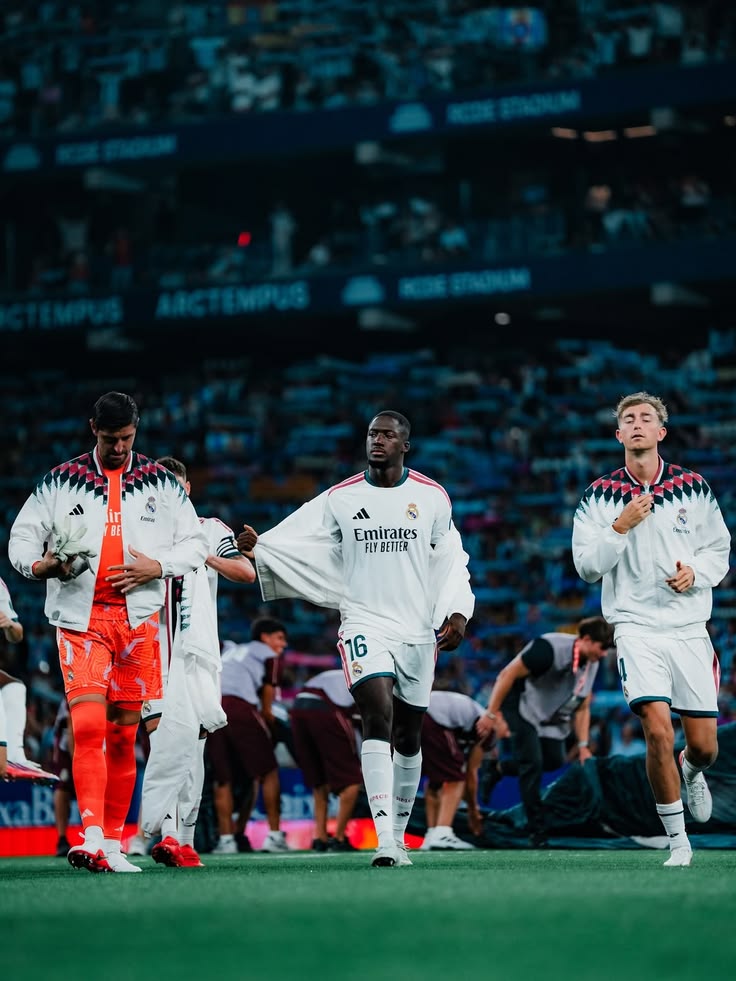
One of the biggest improvements under Mourinho has been the defensive structure. It looks much stronger than in previous seasons. In the centre of defence, a promising partnership is developing between Dean Huijsen and Ibrahima Konaté. Konaté is quick, physically strong and brave in defensive situations. His ability to read the game and make interceptions has been particularly impressive during the early stages of the season. Huijsen, on the other hand, is calm on the ball and one of the best passers in the squad.
They complement each other well. Together, they allow Madrid to defend higher up the pitch and build attacks from the back. Another impressive statistic is that Ibrahima Konaté was not dribbled past in 11 of his first 13 games of the season. And the best part is that Mourinho still has Antonio Rüdiger, Éder Militão as quality options. That means Madrid are not short of solutions when injuries or suspensions become a problem.
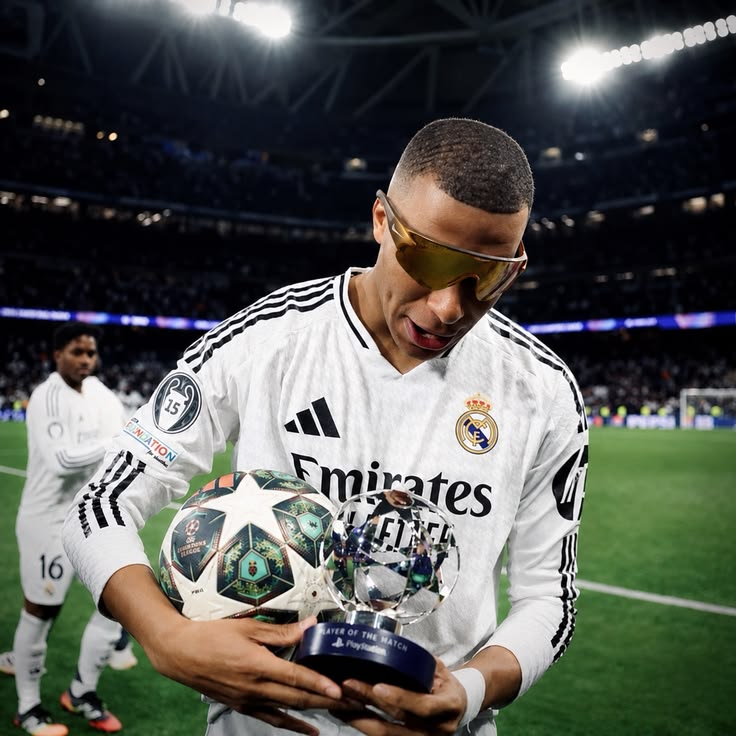
The way Mourinho is managing Kylian Mbappé is also very pleasing to watch. Mbappé is not the kind of player you should restrict to one fixed position, and Mourinho understands that perfectly. Instead of keeping him permanently as a centre-forward, he allows Mbappé to move between three attacking lanes: left, centre and right. This makes him extremely difficult to mark. He can drop deeper to link up play, make runs behind the defensive line or switch positions within seconds. Early in the season, he scored a hat-trick against Real Sociedad.
However, there is a price to this freedom, and Mourinho understands that too. During the derby defeat against Atlético Madrid, Mbappé and Vinícius were often occupying almost the same areas of the pitch. As a result, the team lost its attacking structure. The lesson is simple. Freedom only works when the other players understand their responsibilities and cover the spaces left behind. That is why the structure around Mbappé, with Güler, Bellingham and the wide players, is so important.
He is also working hard without the ball. His pressing from the front and his pre-season goal after winning possession high up the pitch show the kind of energy Mourinho wants from the entire team. Mourinho's teams have always been famous for their work rate, and this Madrid side is no different.
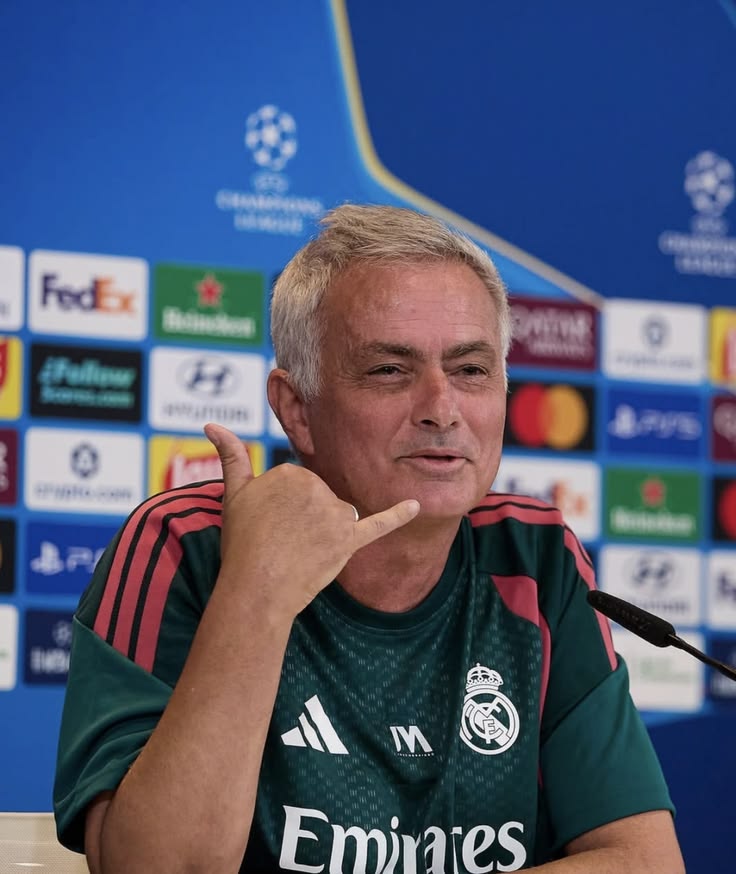
In his press conferences, he has explained that a team's commitment is not about sleeping at the training ground in Valdebebas. What really matters is the quality of the work during training. Tactical preparation, proper organisation and players working for each other are what make a team stronger. At the same time, he gives talented players enough freedom to express themselves on the pitch.
And the results are beginning to show. The victory against Valencia took Madrid to 30 points, level with Barcelona at the top of La Liga. The team has also found ways to win difficult games, including the 1–0 victory against Villarreal, even after being reduced to ten men. These are important signs. A great team is not only about how beautifully it plays when everything goes right. It is also about how it responds when things become difficult.
Real Madrid has always been about more than pretty football. It is about character, responsibility and the desire to win even when everything seems to be going against you. We have already seen that spirit this season.
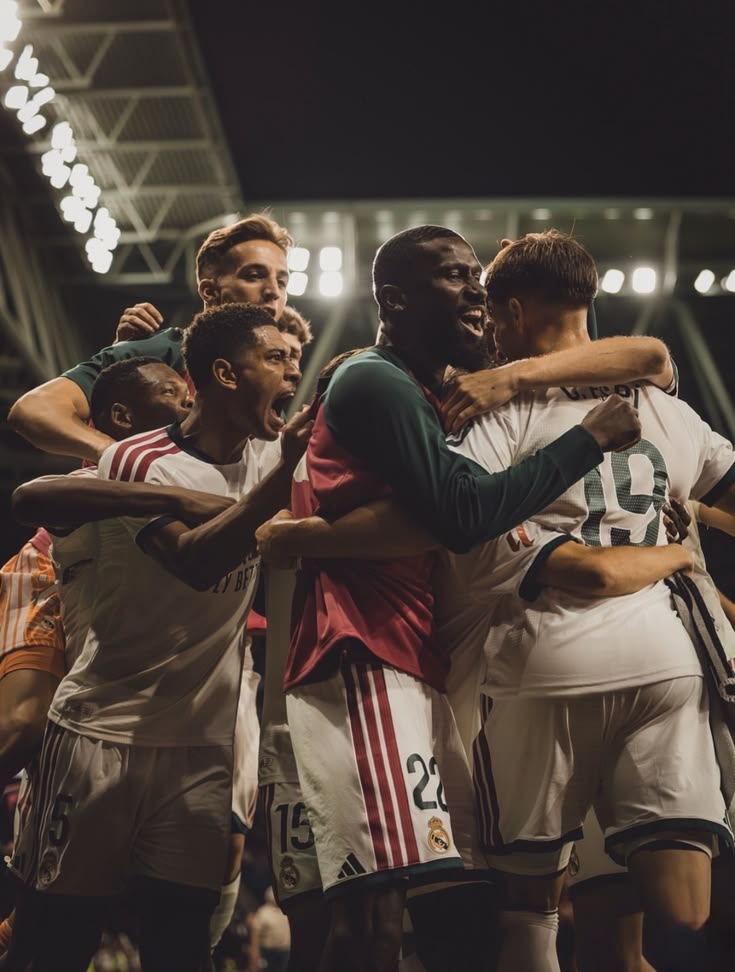
In Rome, Madrid were trailing Roma 3–1 with only minutes remaining. Then Carlos Espí, Endrick and Antonio Rüdiger scored three times to turn the game around and secure a dramatic 4–3 victory. Mourinho described it as an "organised and emotional rebellion."
The match against AEK Athens was another example. AEK took the lead twice. Jude Bellingham equalised first, then Mbappé brought Madrid level after a cross from Dumfries. Finally, Valverde scored a spectacular stoppage-time winner to complete a 3–2 victory. That result kept Madrid's perfect Champions League record intact, with four wins from four matches. This is the old Madrid mentality. Never stop believing, even when the game looks lost.
Of course, we also need to see more control in difficult matches. We cannot depend on late goals forever. But the direction is encouraging. We can already see the signs: clearer roles, a stronger defence, smarter management of young talents and superstars who are expected to work for the team. There is still room for improvement, but something positive is clearly developing.
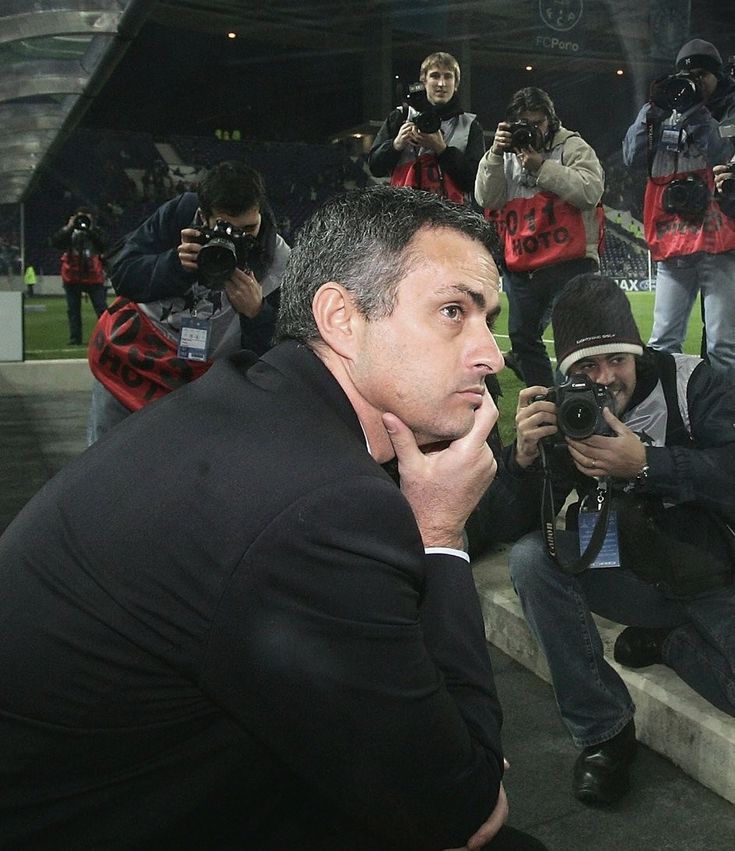
Another problem Mourinho has solved is injuries. Right now, no player in the squad is injured. Everyone is fit and available for selection. That is a big deal. Madrid have lost key players for long spells in recent seasons, and it often cost them momentum at the worst moments. This time, Mourinho has a full squad to choose from, which makes rotation easier and keeps every position competitive.
It also supports everything else he is building. Players can settle into their roles, partnerships like Huijsen and Konaté can grow, and young players like Diomande can be managed gradually, because there is no emergency forcing anyone's hand.
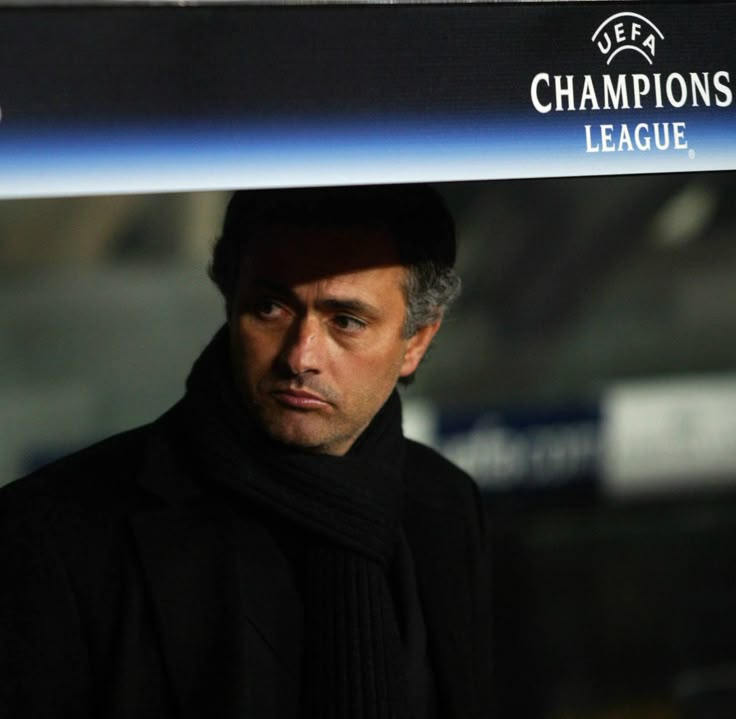
It is still too early to call Mourinho's second spell a success. We have not won anything yet, and the biggest challenges are still ahead. But there are plenty of things to like about this team. The dressing room looks united. The tactical approach is flexible. Young players are getting opportunities without unnecessary pressure. And the old Madrid spirit of fighting, suffering and finding a way to win is slowly coming back.
We do not need to call him a genius after just a few months. We simply need to give the process time.
Because Real Madrid does not need to become a different club. It only needs to remember what has always made it special.